
Dame Cindy and Dr Davies were welcomed onto Scott Base on Friday afternoon, within the southernmost part of the Realm of New Zealand – the Ross Dependency – beginning a five-day visit to Antarctica.
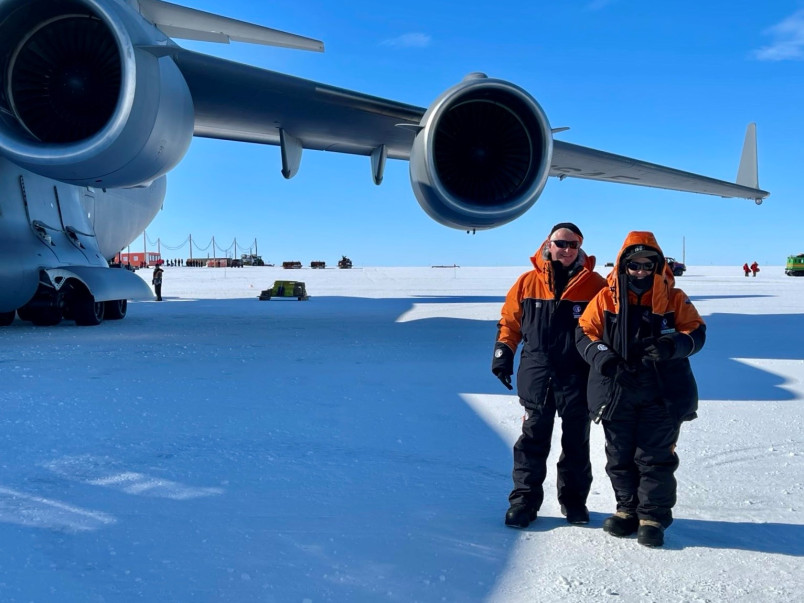
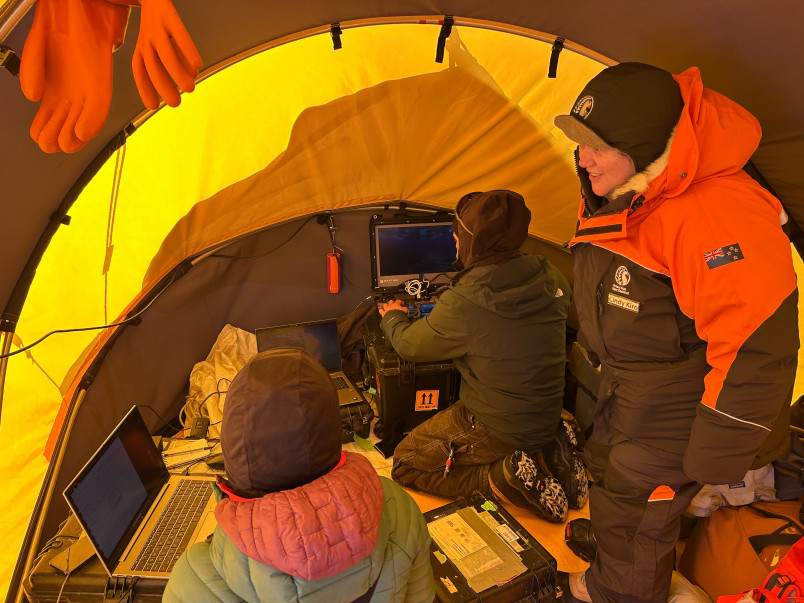
The climate of Antarctica and the Southern Ocean has a direct impact on the climate of New Zealand and the rest of the world. During their time on the ice, Dame Cindy and Dr Davies had the opportunity to meet with scientists helping us to better understand these connections – including Dr Sarah Seabrook, of Earth Sciences New Zealand, who is investigating how aquatic microbial communities are responding to environmental change, to help develop strategies to protect Antarctica's unique and precious ecosystems.
Their Excellencies also met Dr Inga Smith, of Otago University, whose work focuses on sea ice formation, which will lead to a greater understanding of the impact of changing sea ice conditions on Earth's climate.
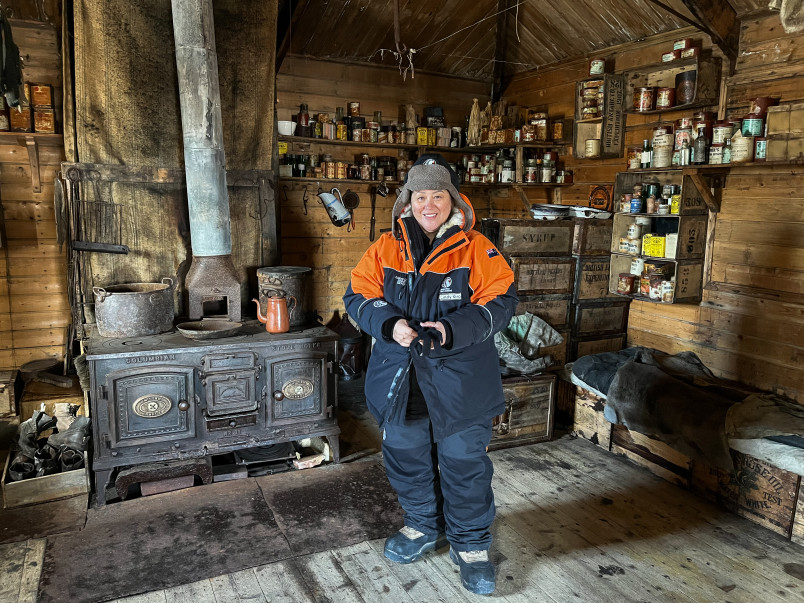
Dame Cindy serves as patron of the Antarctic Heritage Trust– an organisation which is committed to protecting and preserving Antarctica’s unique heritage, and inspiring a new generation of explorers. In August last year, the Governor-General hosted the launch of the Trust’s historic Scott’s Discovery Hut Virtual Reality Experience, and during her time in Antarctica, Her Excellency was delighted to see those same scenes in person.
Dame Cindy and Dr Davies also visited Shackleton's Hut and Hillary’s Hut, and spoke with the Trust’s Executive Director, Francesca Eathorne, as well as world-leading conservators, to hear more about the Trust’s important work on the ice.
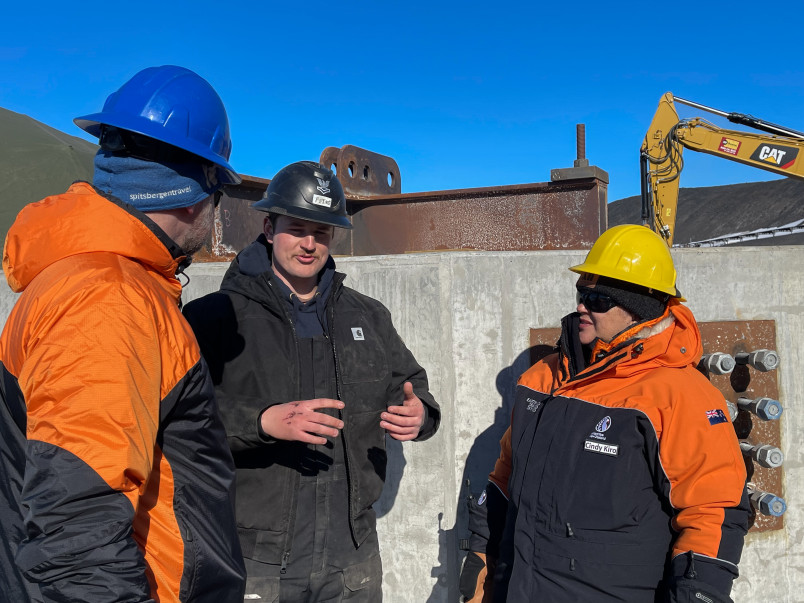
During Their Excellencies’ time on the ice, Dame Cindy and Dr Davies had an opportunity to hear about the redevelopment of New Zealand's Scott Base from Professor Jordy Hendrikx, Chief Executive of Antarctica New Zealand, and Project Manager Abigail Richards – as well as the US-NZ collaboration on a new pier at the United States' McMurdo Station.
In a continuation of the science theme, Dame Cindy and Dr Davies learnt about the work being done monitoring ozone levels in the solar atmosphere, studying the history of sea life under the ice sheet via ice core samples (up to 300,000 years old), and understanding the functional attributes of Antarctic sea sponge communities.
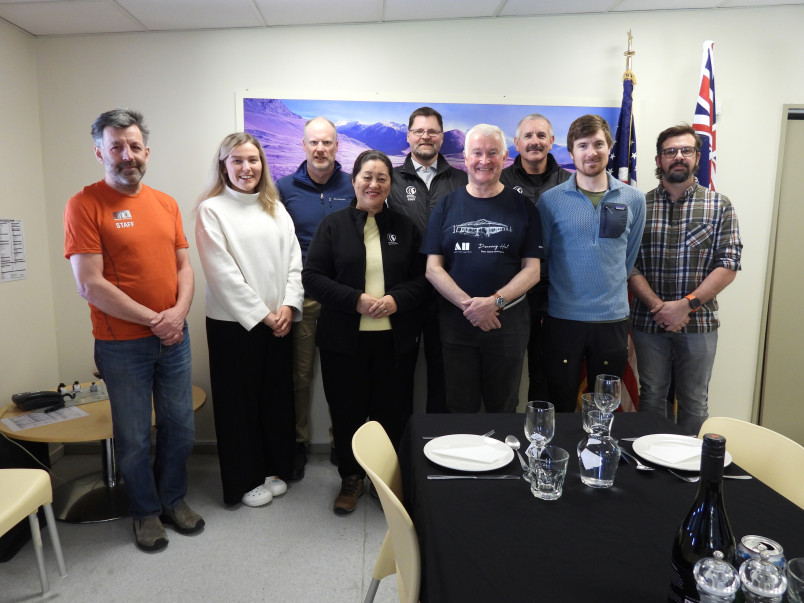
Their Excellencies also had the opportunity to have dinner with representatives from the United States National Science Foundation, as well as leaders from Scott Base and McMurdo Station.
You can find more images from Their Excellencies' time in Antarctica in the image gallery for the official visit to Antarctica.